
The Famous NIKE Logo Case
Plaintiff: Nike Innovate C.V.
Defendant: Alam Al-Hathaa Trading Establishment.
Case Number:
(4470435528)
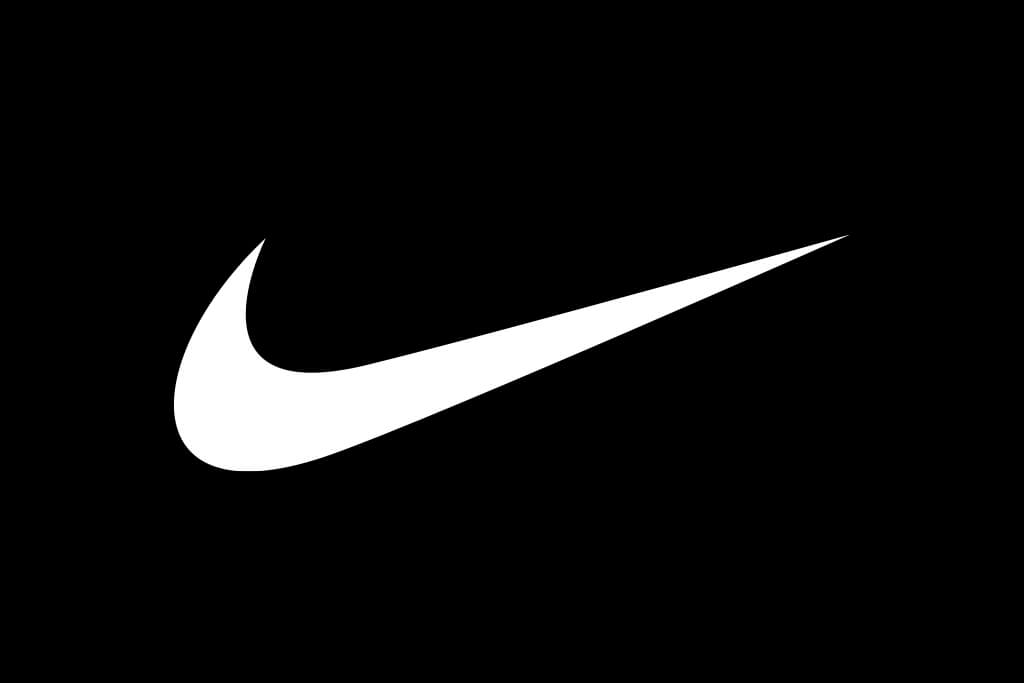
Judicial Precedent: Cancellation of a Trademark Due to Similarity with a Well-Known Mark
Subject of the Case and its Grounds
The plaintiff filed its claim before the Commercial Court in Riyadh requesting the cancellation of the trademark (a checkmark design with the word “Turbo” in Latin letters inside) registered for clothing, footwear, and headgear in Class (25) under the name of the defendant. The claim was based on Article (22) of the GCC Trademark Law, which states: “Without prejudice to the provisions of Article 7 of this Law, the competent authority or any concerned party may resort to the competent court to request cancellation of a trademark that has been registered without due right, and the competent authority shall cancel the registration whenever it is presented with a final judgment to that effect.”
The plaintiff based its claim on the following:
- The similarity between the trademark subject to cancellation and the plaintiff’s innovative trademark (checkmark design) registered in Saudi Arabia.
- The identical class and products between the two marks, namely clothing, footwear, and headgear in Class 25.
- The fame of the plaintiff’s trademark.
- Acceptance of the disputed mark causes confusion and deception among the public and creates a mental association between the two marks contrary to reality.
Facts of the Case
- The trademark (checkmark design with the word “Turbo” in Latin letters inside) was registered without due right, as it contained the checkmark design as a principal element, which originally belongs to the plaintiff.
- Furthermore, the disputed mark was registered on products identical to those of the plaintiff’s famous mark.
- Accordingly, the plaintiff filed this claim requesting cancellation of the mark for its conflict with the plaintiff’s registered and famous trademark in Saudi Arabia, as well as misleading consumers and causing damage to the plaintiff.
- The defendant argued that the marks were different, and that more than five years had elapsed since registration, making the cancellation request invalid.
- The Commercial Court issued a judgment canceling the trademark, and the judgment was upheld by the Commercial Court of Appeal.
Reasoning for the Judgment
After examining the case documents and the evidence submitted by both parties, the Court of Appeal concluded the following:
- The disputed mark was inspired and derived from the plaintiff’s famous mark, and its acceptance for registration contravenes Article (3/13) of the GCC Trademark Law, which prohibits the registration of marks that constitute a copy, imitation, or translation of a well-known trademark, or part thereof owned by others, for use in distinguishing goods or services identical or similar to those distinguished by the well-known mark.
- Recognition of the similarity between the disputed mark and the plaintiff’s famous mark.
- The defendant’s plea that more than five years had elapsed since the registration and thus the plaintiff had no right to bring this action under Article (7/2), which provides: “Anyone who was the prior user of the mark, and the mark was registered in another’s name, may request the competent court to cancel such registration within five years from the date of registration, unless it is proven that the prior user expressly or implicitly consented to the use of the mark by the person in whose name it was registered.” However, this article relates to cancellation and not to the plaintiff’s claim for cancellation under Article (22) above. The Law distinguishes between “cancellation” and “deletion,” and thus Article (7/2) does not apply to the dispute at hand.
Ruling
The Nineteenth Commercial Circuit of the Commercial Court in Riyadh ruled to cancel the trademark subject of the case, and the judgment was upheld by the Commercial Court of Appeal based on its reasoning.